


How to Rent a Car in Spain: 10 Expert Tips to Drive Smart in 2026
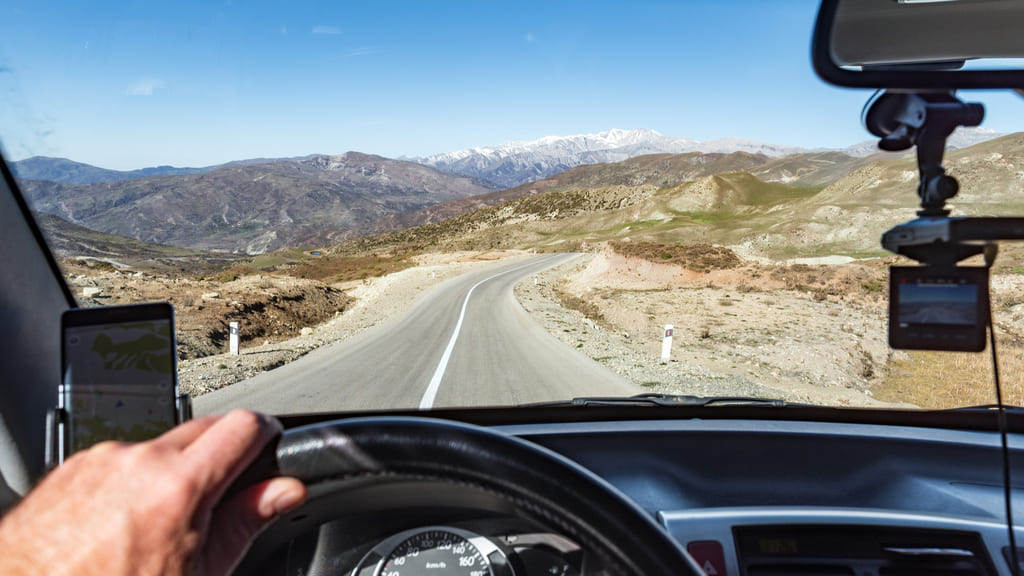
Renting a car in Spain is one of the best decisions you can make as a traveller. With over 50 million international visitors arriving each year — many of them landing at Málaga-Costa del Sol Airport — demand for hire cars is high, especially between May and September. Book late and you may find limited availability and inflated prices.
At Miami Car Hire, we have been helping tourists and locals rent vehicles in Málaga and along the Costa del Sol since [año de fundación]. As members of ZontuRent (the Spanish Federation of Car Rental Companies) and AECA, we operate under strict quality and transparency standards. In this guide, our specialists share the ten most important tips for renting a car in Spain — including things many travellers only discover after something goes wrong.
1. Book in advance — especially for summer travel
Málaga is one of Spain’s busiest tourist destinations, and car hire availability drops sharply from late June through August. Booking 4–6 weeks ahead during high season can save you between 20% and 40% compared to last-minute rates, and guarantees you get the vehicle category you actually need.
Our tip: If you are arriving at Málaga Airport, book your vehicle for the same pick-up point. Miami Car Hire offers collection directly at the airport terminal, at María Zambrano train station, and at Málaga Port — no shuttle buses or waiting.
2. Check what documents you need in Spain
Driving legally in Spain requires the right paperwork. Here is what you need to have with you:
- EU driving licence: Valid and accepted throughout Spain.
- Non-EU driving licence: You must carry an International Driving Permit (IDP) alongside your national licence. This applies to UK licences post-Brexit as well, although enforcement varies — it is still advisable to carry one.
- Passport or national ID card: Required at pick-up to verify identity.
- Credit card in the driver’s name: Most companies, including Miami Car Hire, require a credit card (not debit) for the security deposit.
Arriving without the correct documents can result in being denied the vehicle, with no refund.
3. Understand what the insurance actually covers
Insurance is where most car hire disputes originate. In Spain, all rental vehicles must carry third-party liability cover (Seguro Obligatorio) by law. However, this does not cover damage to the rental car itself.
The key insurance options to ask about:
- CDW (Collision Damage Waiver): Reduces your liability for damage to the car, but usually includes an excess (franquicia) of several hundred euros.
- Full Protection / Zero Excess: Removes the excess entirely. Often worth the extra daily cost for peace of mind.
- Super CDW or premium cover: Includes tyres, glass, and undercarriage — items frequently excluded from standard CDW.
At Miami Car Hire, our rental packages clearly specify what is and is not covered. Always ask specifically: “What is my excess if the car is damaged?” before signing.
4. Choose the right vehicle for your trip
Spain’s roads vary enormously — from the wide motorways (autopistas) connecting major cities to narrow village streets in places like Ronda or the Axarquía region. Think carefully about:
- Number of passengers and luggage: A family of four with suitcases needs at minimum a medium or estate car. We offer everything from economy city cars to 9-seat minibuses.
- Parking in city centres: Compact cars are far easier to park in Málaga, Marbella, or Nerja. Our Marbella, Mijas, Benalmádena and Torremolinos locations make it easy to pick up close to where you are staying.
- Long-distance driving: If you plan to travel to Seville, Granada, or beyond, consider a more comfortable medium or large car.
5. Know Spain’s traffic rules before you drive
Spain’s traffic regulations are enforced by the DGT (Dirección General de Tráfico) and fines can be substantial. Key rules for visitors:
- Speed limits: 120 km/h on motorways, 90 km/h on conventional roads, 50 km/h in urban areas (30 km/h on many residential streets).
- Alcohol limit: 0.5 g/l (blood) for most drivers; 0.3 g/l for drivers with less than 2 years’ experience.
- Mobile phones: Strictly prohibited while driving, even hands-free in some contexts. Fines start at €200.
- Roundabouts: Vehicles already in the roundabout have priority. This catches many UK and US visitors off guard.
- Seatbelts: Mandatory for all occupants. Children under 135 cm must use an approved child restraint — see Tip 7.
6. Understand Low Emission Zones (ZBE / ZEA)
Spain has introduced Low Emission Zones (Zonas de Bajas Emisiones) in several cities. Barcelona and Madrid have the most restrictive ZBEs, and some areas require your vehicle to have a DGT environmental badge (etiqueta ambiental).
If you are renting in Málaga and the Costa del Sol, the current ZBE restrictions are less severe than in Madrid or Barcelona. However, if your itinerary includes a drive to the capital or Barcelona, ask at the rental desk about the vehicle’s emission category and badge. Our team can advise based on your specific travel plans.
7. Add child seats if you are travelling with children
Spanish law requires children under 135 cm to travel in an approved child restraint system, regardless of their age. This applies to all vehicles, including rentals.
Miami Car Hire offers:
- Baby seats (group 0/0+, up to 13 kg) with or without Isofix
- Child seats (group 1/2, 9–25 kg) with or without Isofix
- Booster seats (group 3, 22–36 kg)
Reserve your child seat when booking — stock is limited during peak summer months.
8. Read the fuel policy carefully
There are two main fuel policies in car hire, and confusing them is a common and expensive mistake:
- Full-to-full: You receive the car with a full tank and must return it full. The most transparent and usually cheapest option.
- Full-to-empty (or pre-purchased fuel): You pay for a full tank upfront and return it empty. Only worth it if you are certain you will use all the fuel.
Miami Car Hire operates a full-to-full policy as standard. Return the car with less fuel than you collected it with and a refuelling charge will apply.
9. Inspect the vehicle thoroughly before driving away
Before leaving the pick-up point, inspect the car carefully and document any existing damage — even minor scratches, dents, or chips in the windscreen. Walk around the entire vehicle and:
- Photograph or video all four sides, the roof, the wheel arches, and the interior.
- Make sure any pre-existing damage is noted on the rental agreement or condition report.
- Check the fuel level matches what is stated on the contract.
- Confirm spare tyre, jack, warning triangle, and reflective jacket are present (all legally required in Spain).
If you notice something that is not documented, raise it immediately — do not drive away assuming it will be overlooked.
10. Check the conditions for driving outside mainland Spain
Planning to cross into Portugal, drive to Gibraltar, or take a ferry to the Canary Islands or Balearics? Most standard rental agreements restrict cross-border travel, and driving outside the permitted territory without authorisation can void your insurance entirely.
Miami Car Hire offers specific add-on cover for:
- Portugal and Gibraltar (common side trips from the Costa del Sol)
- Ceuta and Melilla
Always declare your intended route when booking. The surcharge is modest compared to the cost of an uninsured incident abroad.
How to book with Miami Car Hire
Booking takes under five minutes. You can reserve online, by email, or by phone. Choose your vehicle category, pick-up and drop-off location (airport, train station, or port), dates, and any extras. Once confirmed, your booking is secured.
We are members of ZontuRent and AECA, which means you benefit from the consumer protections and quality standards these federations require of their members. Our fleet is maintained to strict safety standards, fully insured, and backed by a local team based in Málaga.
Frequently asked questions about renting a car in Spain
Do I need an International Driving Permit to rent a car in Spain?
EU licence holders do not need an IDP. Non-EU drivers — including those with a UK licence — are advised to obtain one, as it is the official translation of your licence and some police controls require it. Apply through your country’s motoring authority before travelling.
What is the minimum age to rent a car in Spain?
Most rental companies, including Miami Car Hire, require drivers to be at least 21 years old. Drivers aged 21–24 may be subject to a young driver surcharge. The minimum age for premium or large vehicle categories is typically 25.
Can I pay the deposit by debit card?
Most rental companies in Spain require a credit card in the driver’s name for the security deposit. Debit cards are generally not accepted for this purpose. Check your booking confirmation for the exact requirements.
What happens if I return the car late?
Late returns are typically charged at the daily or hourly rate, depending on how late the vehicle comes back. If you need to extend your rental, contact Miami Car Hire as early as possible — extensions are usually possible subject to availability.
Is it cheaper to book a hire car at the airport or in the city?
Airport pick-up locations sometimes carry a small airport surcharge. However, the convenience usually outweighs the small price difference, particularly if you are arriving on an overnight or early-morning flight. Miami Car Hire operates from Málaga Airport with no hidden airport fees beyond the standard rate.
Can I drive a rental car to Portugal?
Yes, but you must request and pay for the Portugal/Gibraltar extension at booking. Driving across the border without this cover is a breach of the rental agreement and voids your insurance.
